
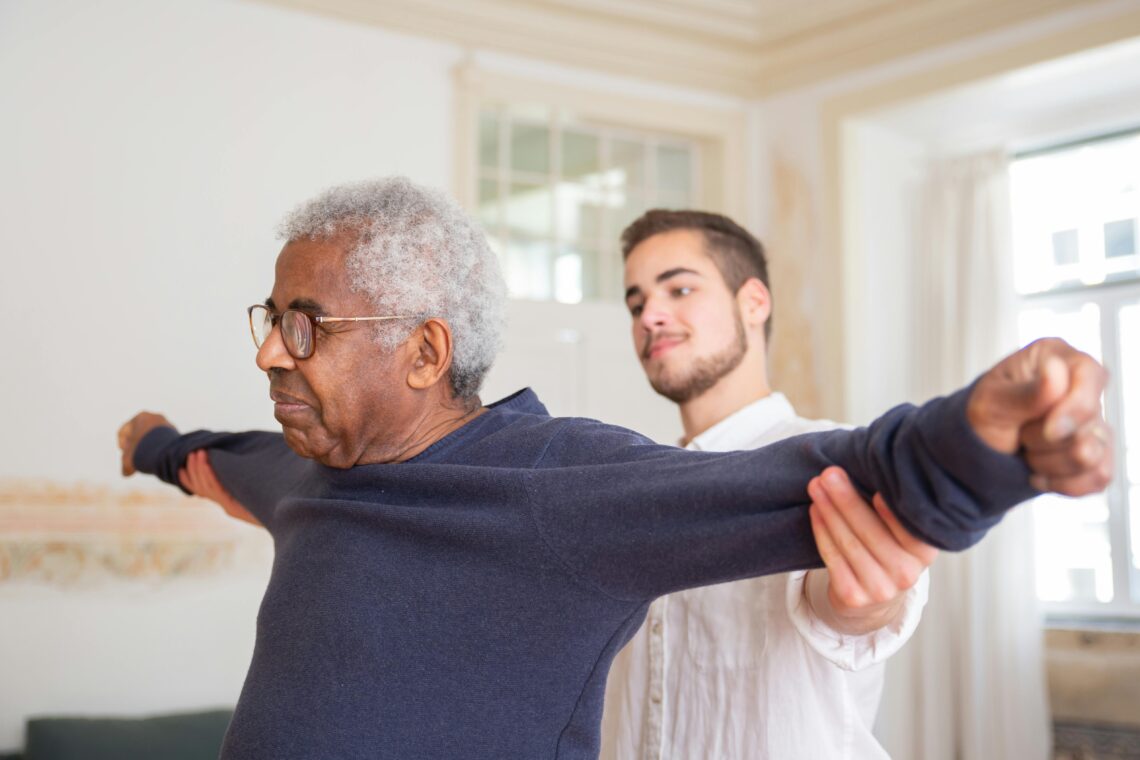
Each year on National Doctors’ Day, we recognize physicians who dedicate their lives to caring for others. In senior primary care, however, the focus shifts from ourselves to the patients and families who entrust us with their independence.
The United States is experiencing a rapid increase in its aging population. By 2030, one in five Americans will be over the age of 65. This demographic shift raises a critical question: How can we help older adults not only live longer, but also live better? The solution involves prevention, strong relationships, and support systems that extend beyond the clinical setting.
Historically, healthcare has prioritized responding to illness rather than preventing it. In senior care, prevention is essential. Preventive medicine is not a luxury for older adults; it is a necessity. Annual wellness visits, medication reviews, fall risk assessments, screenings, vaccinations, and chronic condition management are essential tools that prevent minor issues from escalating into significant health crises.
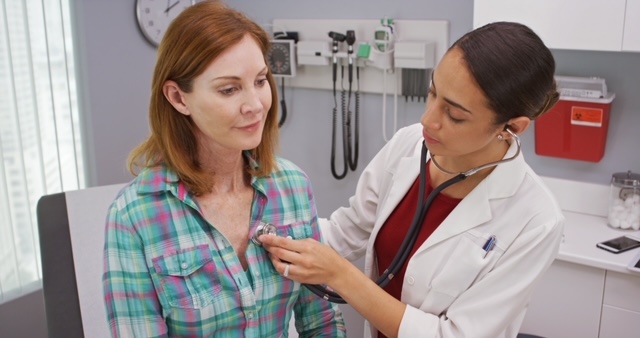
Consistent monitoring can prevent greater risk down the road
Routine measures such as monitoring blood pressure, addressing balance, and conducting cognitive screenings can prevent serious health events and help maintain independence. Strong relationships are equally important. For seniors with multiple conditions, trust between patient and physician fosters a collaborative approach to healthcare, as physicians listen, coordinate care, and develop a comprehensive understanding of their patients.
In senior primary care, visits are not hurried or solely checklist-driven. Instead, they serve as conversations and opportunities to understand each patient’s priorities, such as remaining at home, attending family milestones, managing chronic conditions to maintain hobbies, or walking without discomfort.
However, the responsibility for independence does not rest solely with seniors. Caregivers, including spouses, adult children, neighbors, and friends, form the essential support network for the aging population. They manage medications, coordinate appointments, monitor symptoms, and provide emotional support.
Despite their critical role, caregivers often feel overwhelmed and unrecognized. Healthcare systems must engage caregivers as partners by providing clear communication, education about chronic conditions, guidance in navigating medicare benefits, and connections to community resources. Supporting caregivers directly enhances the health and safety of seniors.
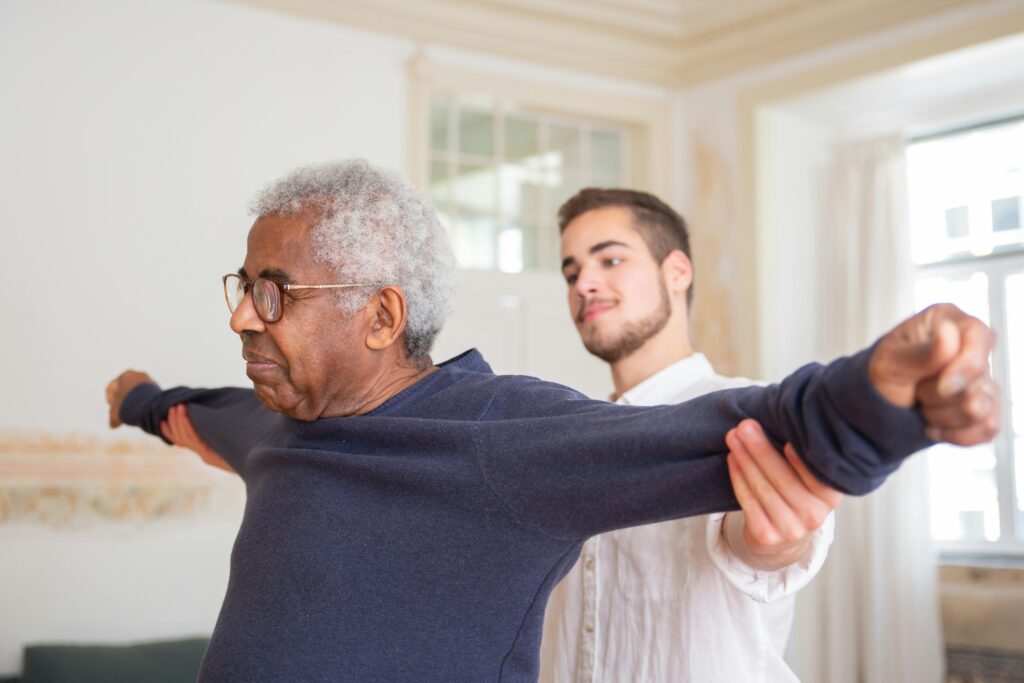
Caring for an aging population is a team effort
On this National Doctors’ Day, we honor physicians, preventive advocates, care coordinators, family partners, and all who champion seniors’ independence. At its best, senior primary care enables older adults to live where they choose, move confidently, and focus on what matters most. Today, we celebrate not only physicians but also the impact of preventive medicine, trust, and caregiver support in promoting senior independence.
This National Doctors’ Day, we at Conviva Senior Primary Care salute all physicians and encourage expressions of gratitude toward the doctors and caregivers in your life. Engaging in these conversations helps advance support for independence and well-being among seniors.
Provided by: Conviva Senior Primary Care, a leading health care services organization focused on creating integrated and addressing the physical, emotional, and social wellness of aging adults.