

Aging in 2026 looks very different from a decade ago. Americans over 65 are shifting away from reactive healthcare and embracing daily habits that promote longevity, independence, and vitality. This shift reflects broader cultural changes, technological innovation, and a growing awareness that small, consistent choices can significantly influence quality of life over time.
Rather than focusing solely on treating illness, older adults are prioritizing prevention and overall well-being — something Conviva Senior Primary Care has taken into consideration.
Sleep tracking is now a common part of healthy aging. Wearable technology helps seniors identify sleep disruptions that can affect heart health, mood, and memory. This awareness allows for earlier conversations with healthcare providers and meaningful adjustments.

The importance of small everyday changes can have lasting positive effects
Improved sleep awareness also empowers seniors to change routines, reduce stress, and create environments that support restorative rest. This new awareness is now widely recognized as a foundational element for long-term health. Exercise has become a cornerstone of longevity as well. Today’s seniors are increasingly focusing on movement that supports everyday function rather than intensity.
Walking, stretching, low-impact fitness classes, and water-based exercise help improve circulation, flexibility, balance, and mental health. This approach makes physical activity more accessible and sustainable, encouraging consistency rather than burnout.
Strength training complements daily movement by helping protect muscle mass and joint stability. Even light resistance training can improve posture, reduce fall risk, and support independence. As awareness grows, many seniors are incorporating simple strength routines into their weekly schedules, often guided by physical therapists or fitness professionals trained to work with aging populations.
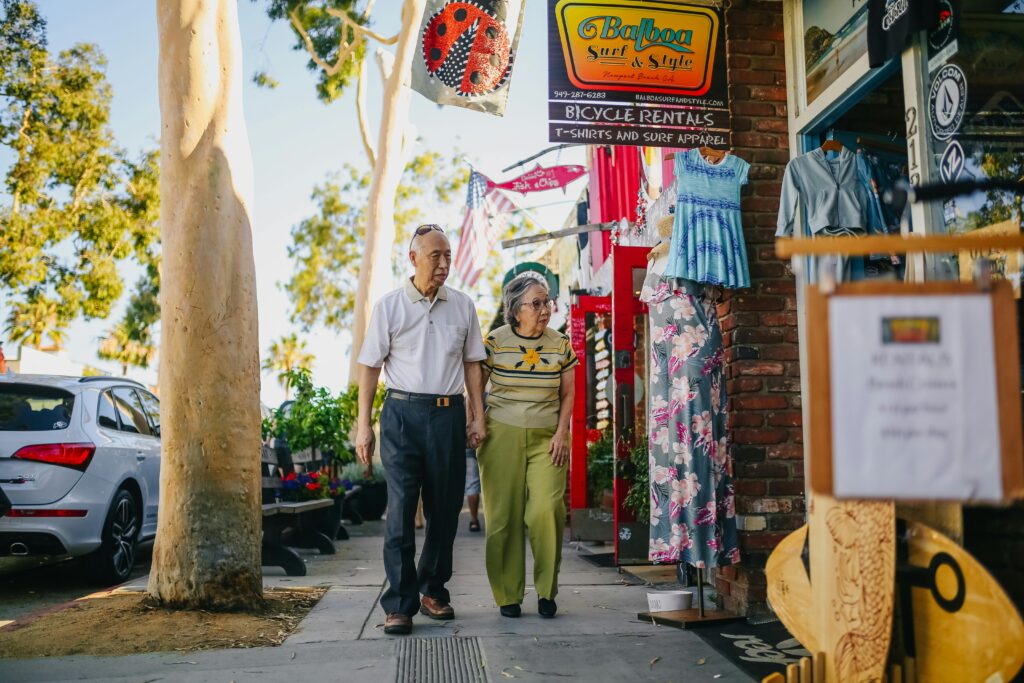
Cognitive wellness and improved dietary habits are another major focus
Dietary habits are also evolving. Plant-forward nutrition rich in vegetables, fruits, legumes, and whole grains is gaining popularity for its heart and digestive benefits. Many seniors are now choosing sustainable eating patterns over restrictive diets. This approach supports energy levels, immune function, and long-term adherence, helping make healthy eating a lifestyle rather than a short-term goal.
Activities that challenge the brain, combined with social interaction and stress management, help seniors protect their brain health as they age. Lifelong learning, creative pursuits, and meaningful relationships are now widely recognized as essential components of healthy aging.
Underlying all these trends is a growing preference for value-based primary care models, such as Conviva Senior Primary Care. These models emphasize prevention, longer appointments, and coordinated care helping seniors stay healthier for longer. By addressing the whole person, value-based care supports both physical and emotional well-being.
In 2026, longevity is about living fully, staying engaged, and taking proactive steps toward lifelong wellness. Aging is no longer defined by limitation, but by possibility, purpose, and informed choice.
Provided by: Conviva Senior Primary Care, a leading health care services organization focused on creating integrated and addressing the physical, emotional, and social wellness of aging adults.