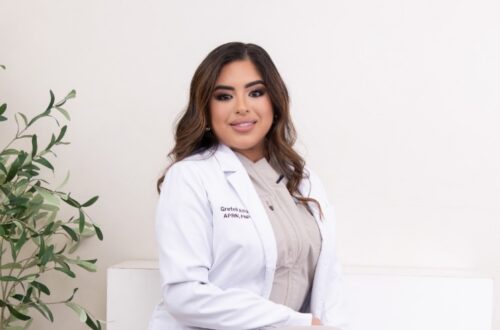

The numbers tell a sobering story. While cancer touches nearly every American family in some way, Latino communities carry an outsized share of that burden. Hispanic populations nationally face a significantly higher incidence of cervical cancer and roughly twice the overall rate of stomach and liver cancers compared with the broader U.S. population, and many of these cases are preventable or linked to infectious causes that early detection can catch.

For Latino seniors, the stakes are particularly high. Language barriers, cultural considerations, and concerns tied to immigration-related healthcare access can all delay or deter the routine preventive care that makes the biggest difference in cancer outcomes. April is Cancer Prevention and Early Detection Month, which gives the healthcare community, families, and seniors themselves a meaningful moment to refocus on the screenings that quite literally save lives.
Why Cancer Screening Matters More Than Many Latino Seniors Realize
A common reason seniors postpone screenings such as mammograms or colonoscopies is that they feel healthy. Others assume they are not at risk, or they have never been clearly told which screenings apply to their age group. That gap in awareness is one of the most fixable problems in preventive medicine.
Routine screenings for breast, colorectal, and skin cancers can make a meaningful difference in detecting disease early, when treatment options are broader and outcomes are stronger. The screening guidelines themselves can feel confusing because recommendations vary by age, family history, and overall health, which is why a trusted primary care doctor remains the best resource for personalizing those recommendations to the patient sitting in front of them.
Research also shows that coordinated, patient-centered care models with a strong prevention focus consistently improve screening rates. When seniors stay in regular contact with their primary care providers, those care teams can manage screenings on schedule, monitor chronic conditions that affect cancer risk, and keep preventive care from slipping to the bottom of the priority list.
Lifestyle Habits That Reduce Cancer Risk
Screenings are one half of the equation, and healthy lifestyle habits are the other. Small, consistent changes make a meaningful difference even later in life, and the recommendations bear repeating because the evidence behind them is genuinely strong.
- Eat a nutrient-rich diet. Build meals around fruits, vegetables, whole grains, and lean proteins. Limit processed foods, added sugars, and excessive alcohol.
- Stay physically active. Regular movement and maintaining a healthy weight help reduce the risk of several cancers, including breast, colon, and kidney cancer.
- Avoid tobacco. Tobacco use remains one of the most significant cancer risk factors, and quitting delivers measurable health benefits within weeks.
- Protect your skin. Limiting prolonged sun exposure and using sunscreen meaningfully reduces skin cancer risk over a lifetime.
None of these habits require an overhaul. Sustainable progress comes from steady, manageable shifts that gradually become routine.
Removing the Barriers to Cancer Screening
One of the more surprising facts for many patients is that a wide range of preventive cancer screenings are covered by insurance at little or no out-of-pocket cost. Medicare in particular covers many of the screenings most relevant to seniors, and a quick call to a healthcare provider’s office can clarify exactly what a patient’s plan includes.
Other barriers run deeper. Some patients hesitate because they feel uncertain about a procedure. Others avoid screening out of concern about receiving difficult news. Both responses are deeply human, and both are best addressed through open conversation with a trusted healthcare provider who understands the patient’s history and concerns.
Culturally responsive care makes a measurable difference for Latino seniors. That means providers who speak the patient’s language, offices where staff understand cultural perspectives on illness and family, and clear written information about what each screening involves and why it matters. Expanding access to primary care delivered in this way is one of the most effective tools for closing the cancer gap.
The Role of Family and Caregivers in Latino Cancer Prevention
Family members often carry meaningful influence over whether a senior actually completes recommended screenings. Encouraging a parent or grandparent to schedule the appointment, offering to drive them, or simply sitting with them during the visit can be the difference between care that happens and care that gets postponed indefinitely. Caregivers play a similar role, particularly for seniors who manage multiple health conditions and appreciate having a second set of ears in the exam room.
Cancer prevention often begins with a conversation and a simple step forward. For Latino seniors, that conversation tends to happen most naturally within the family, supported by a primary care provider who has taken the time to build trust. Together, that combination quietly closes the gap that statistics have made clear for too long.
By staying connected with their healthcare providers and keeping up with recommended screenings, Latino seniors can take meaningful steps to protect their health and continue enjoying the moments that matter most with the people they love.
ABOUT CONVIVA
Conviva is part of CenterWell, a leading health care services organization focused on creating integrated and differentiated experiences that put our patients at the center of everything we do. The result is high-quality health care that is accessible, comprehensive, and most of all, personalized. As the largest provider of senior-focused primary care, one of the leading providers of home health care, and a leading integrated home delivery, specialty, hospice, and retail pharmacy, CenterWell is focused on whole health and addressing the physical, emotional, and social wellness of our patients. CenterWell and Conviva are part of Humana Inc. (NYSE: HUM). Learn more about what we offer at CenterWell.com and ConvivaCareCenters.com.