1) “Cold plunges are great for everyone—full stop.”
What to know: Cold can feel amazing for some people—alertness up, mood steadier—but the research is mixed, and timing matters. If you plunge right after heavy lifting, you can blunt some of the muscle and strength gains you’re working for. Also, women aren’t “too fragile” for cold, but responses can differ by sex and across the menstrual cycle, so dose and timing may need more tweaking. Translation: personalize it. If muscle growth is a goal, don’t dunk immediately after strength sessions.
Why it matters for entrepreneurs: Use cold for mood and mental reset, not as a one-size-fits-all performance cure. If you’re female, start shorter, a bit warmer, and pay attention to how it feels in different phases of your cycle.

2) “Saunas ‘detox’ everything.”
What to know: Sweat can carry out some metals, but that doesn’t mean a sauna session is a catch-all detox or a medical treatment. The strongest, most consistent benefits are simpler: relaxation, perceived recovery, and a structured way to wind down. Keep the claims grounded.
Why it matters for entrepreneurs: Treat sauna like a recovery habit that supports stress management, not a miracle fix.
3) “Mouth-taping is a simple, safe sleep hack.”
What to know: Nasal breathing is great. Taping your mouth shut to force it? Evidence is thin, and a recent systematic review flagged potential risks—especially if you have nasal blockage or undiagnosed sleep apnea. This one needs medical guidance, not DIY experiments.
Why it matters for entrepreneurs: If snoring or poor sleep is the issue, get screened first. Proven fixes beat TikTok trends every time.

4) “Today’s HRV number tells me my resilience.”
What to know: Heart Rate Variability (HRV) is the tiny, natural wiggle in the time between your heartbeats. Think of it as a readout of how well your nervous system balances “go” and “recover.” Higher HRV for you usually means you’re better recovered; lower HRV can signal stress, sickness, or poor sleep. Here’s the catch: HRV is jumpy. Posture, time of day, even the room you’re in can swing the number. So a single reading is noise. The signal is your trend.
How to use it: Measure the same way every day (e.g., morning, seated or lying down), then make calls based on a 7-day average—not one spike or dip. Treat HRV like a dashboard trend that guides pacing, not a daily verdict on your worth or willpower.
5) “Everyone should wear a CGM—guaranteed performance and weight loss.”
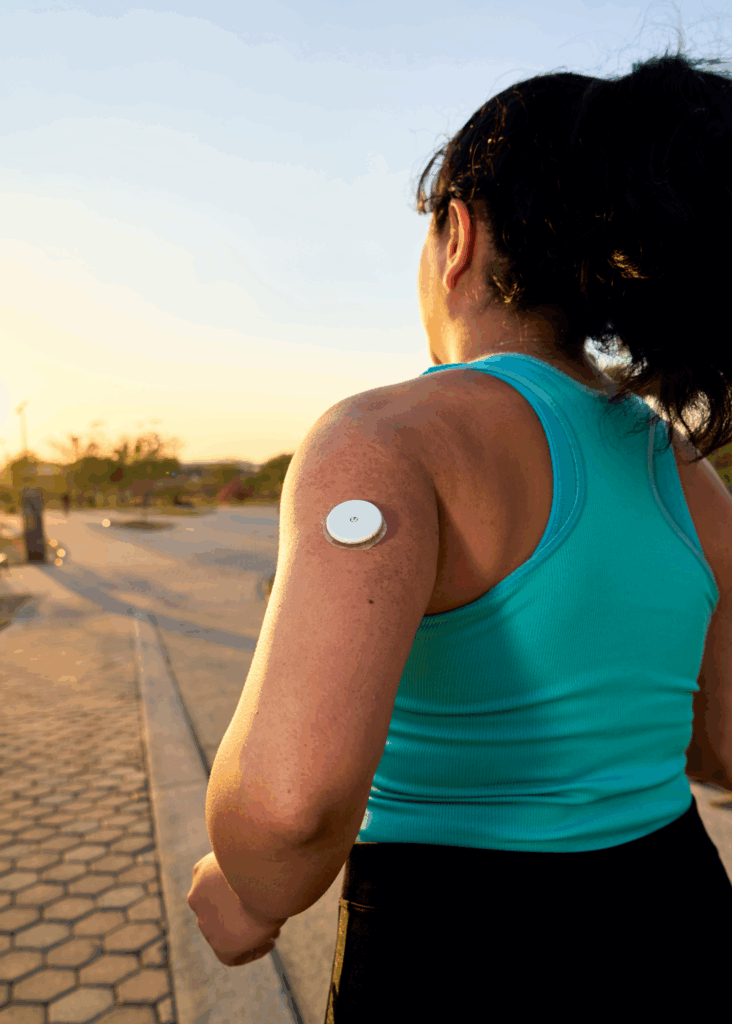
What to know: A Continuous Glucose Monitor (CGM) is a small sensor you wear on the skin. A tiny filament sits just under the surface and tracks glucose in the fluid around your cells, sending a live feed to an app. It shows how meals, stress, sleep, and exercise affect your blood sugar—so you can spot patterns behind energy crashes or brain fog. Helpful? Yes. A magic bullet? No. In people without diabetes, results are mixed. It’s a learning tool, not a promise.
How to use it: Run a 2–4 week experiment with one or two clear decisions you’ll change from the data (e.g., “walk 10–15 minutes after dinner if I see big spikes”). If the info isn’t actionable—or you’re stressed by constant numbers—park it. Also consider privacy and skin sensitivity from adhesives.
Always do your own research and, most importantly, listen to your body when deciding which new trends to implement in your wellness routine.