
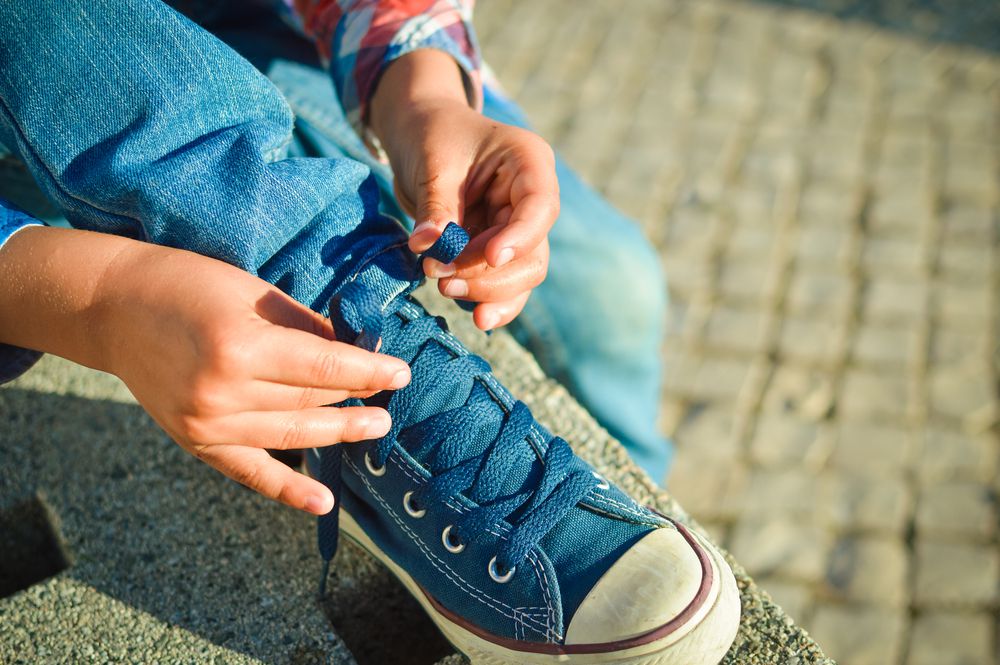
The plastic tip at the end of my son’s shoelace is frayed just enough to catch every time he tries to push it through the tiny hole. He twists it, pushes harder, pulls it back, and tries again. Despite his best effort, nothing works.
“I can’t do it,” he says, frustrated.
I kneel beside him and take a breath. We pause for a moment. I smooth the frayed lace between my fingers, pinch it just right, and guide it forward. This time, it slides through effortlessly. His frustration softens with a sigh of relief.
Witnessing that small moment unfold, something instantly clicked for me. When things start to fray, force does not help. Support does.
“When things start to fray, force does not help. Support does.”
Marly q casanova
Our bodies work in much the same way.
Inside each of us, at the ends of our chromosomes, are tiny protective caps called telomeres. I now think of them as the shoelace tips of our cells. Their role is simple but essential. They protect our cells and keep them from unraveling over time. Each time a cell divides, those tips shorten slightly. Chronic stress, pressure, and overwhelm can accelerate that process.
When telomeres wear down too quickly, our cells age faster. Energy drops. Resilience weakens. Burnout shows up sooner.
As I dug deeper into the science, what surprised me most was how often kindness appeared as a protective factor. Emerging research suggests that everyday practices rooted in compassion, gratitude, and caring connection may help buffer the body against the effects of chronic stress. Some studies have linked these practices to slower telomere shortening, along with lower inflammation and healthier stress responses. How kindly we treat ourselves and one another influences our body’s ability to hold up when life pulls too hard.
Kindness supports the conditions that help our cellular “shoelace tips” stay intact under strain.
While this science is still evolving, the pattern is clear. Kindness does not just affect how we feel. It shows up in our biology, strengthening resilience and longevity over time.
That same dynamic extends beyond the body and into the workplace.
A business, much like a living system, responds to pressure over time. It adapts, grows, and either strengthens or breaks down. When people do not feel valued, disengagement creeps in. When support is missing, burnout spreads quietly. When trust erodes, performance soon follows.
These are not people issues.
They are structural ones.
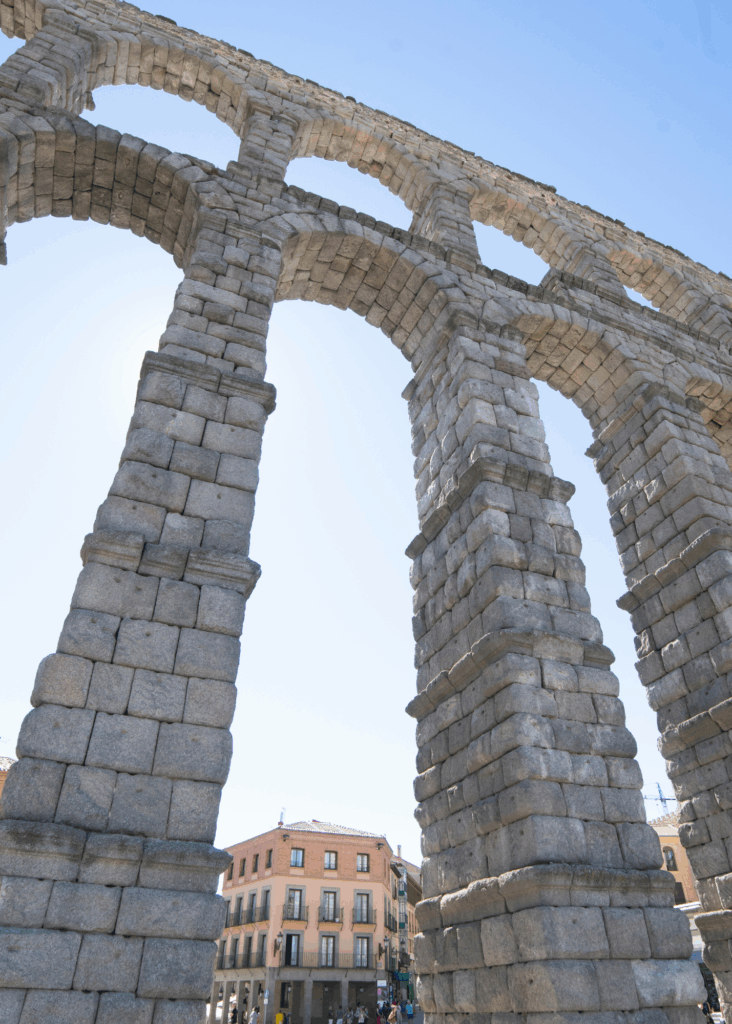
Every organization has two kinds of structure. There is the visible structure made up of plans, policies, procedures, systems, goals, and metrics. These are the parts we can see and measure. There is also the invisible structure made up of trust, safety, communication, belonging, and culture. These are the things people feel and experience every day.
While leaders often focus most of their energy on the visible structure, it is the invisible structure that creates culture and determines whether a business lasts.
Companies rarely fall apart because of bad spreadsheets. They fall apart because the people behind those spreadsheets are exhausted, disconnected, or burned out. When the invisible structure weakens, the visible structure eventually follows.
Kindness strengthens the invisible structure of a workplace by reinforcing its inner architecture. It helps people connect and collaborate more effectively, recover more quickly from stress, and stay engaged longer. Just as telomeres protect our cells, kindness protects culture by building trust, improving communication, and supporting resilience, loyalty, and retention. These are not soft qualities. They are survival skills for long-term success.
Longevity is not built through performative kindness or slogans posted on the wall. It is built through the presence and practice of kindness, expressed in everyday actions and interactions that consistently support people when pressure shows up.
It’s no secret that stress erodes structure in both our bodies and our businesses. Kindness does the opposite. It reinforces what holds us together, supporting resilience at the cellular level and strength at the cultural level.
That is why kindness isn’t soft, it is built to last.